
- 26 May 2026
- Posted by: nemcatgroup
- Category: Publications
No Comments
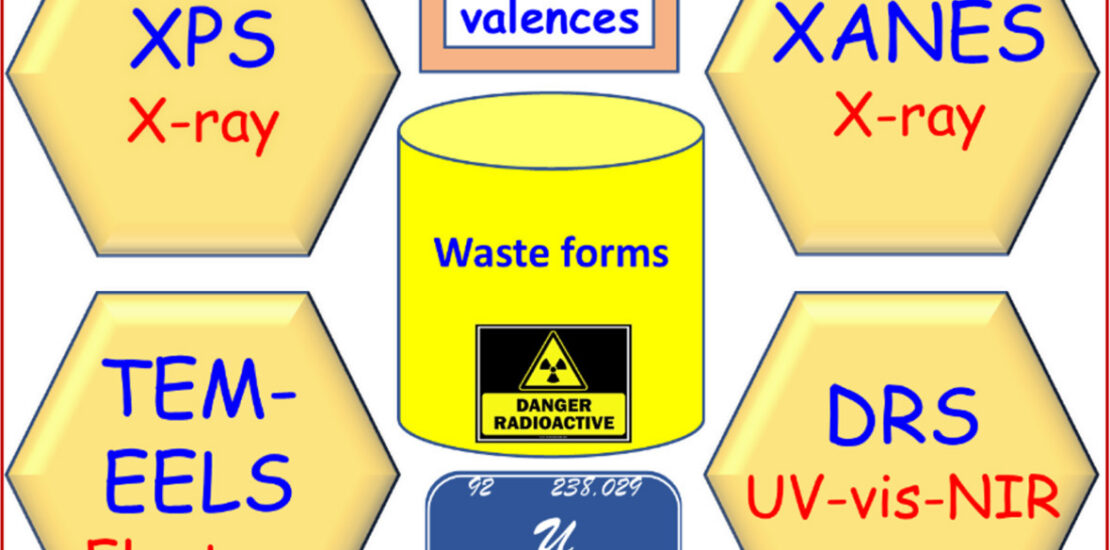
Uranium-bearing radioactive wastes are generated throughout the nuclear fuel cycle and by the radiopharmaceutical industry. Many chemically durable mineral phases are being considered as candidate hosts for the safe and long-term geological disposal of these nuclear wastes. Understanding the exact oxidation states of uranium within these crystalline waste forms is essential for predicting the potential uranium release in repository conditions. Various spectroscopic techniques can be used to determine uranium oxidation states, though they differ in precision and have specific limitations. These include X-ray photoelectron spectroscopy, X-ray absorption near-edge structure, diffuse reflectance spectroscopy, and transmission electron microscopy – electron energy loss spectroscopy. This article provides a comprehensive review of these techniques and their applications in determining uranium oxidation states in candidate actinide waste forms. In addition to the summary of the existing literature, the technical challenges, limitations of techniques, and perspectives are provided to identify the knowledge gaps for future research.